
Play Workshops
Rooted in Play’s workshops orkshops support educators, schools, and organizations who want to build environments where play, learning, and well-being can coexist.
These workshops are grounded in playwork principles, child development research, and real-world experience in classrooms, schools, and community play spaces. They’re designed to be practical, reflective, and immediately useful.
Every workshop is tailored to your environment. We adapt content based on your setting, age group, space constraints, staffing realities, and goals. Whether you’re working in a classroom, after-school program, forest school, or community space, we meet you where you are and help you move forward with clarity and confidence.
Below are sample topics we regularly offer. Think of them as starting points, not a fixed menu. We’re happy to customize, combine, or design a workshop to fit your needs.
Workshop Topics
What Child-Led Play Really Is (and What It’s Not)
Child-led play gets talked about a lot, and misunderstood even more. This workshop unpacks what child-led play actually looks like in real environments, how it differs from adult-designed activities, and why it matters for development, regulation, and long-term learning. Expect clarity, not buzzwords.
The Playwork Perspective: A Different Way of Seeing Children
Playwork offers a distinct lens for understanding children, risk, conflict, and uncertainty. This session introduces core playwork principles and helps adults rethink their role—from managers of behavior to observers, supporters, and protectors of play.
Loose Parts: More Than Just Stuff
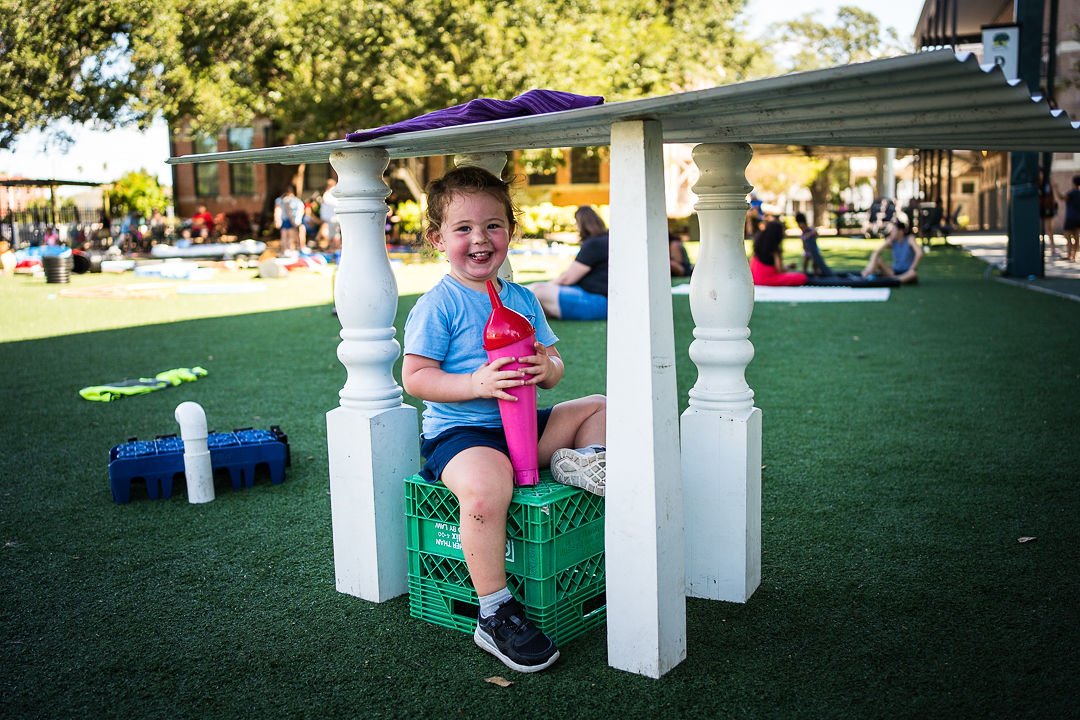
Loose parts aren’t about having more materials, they’re about offering the right kind of openness. This workshop looks at why loose parts matter, how children use them, and how to implement them realistically within your space, staffing, and safety parameters (without turning storage into a nightmare).
The Adult Role in Child-Led Play
When adults step back, what are they actually supposed to do? This workshop focuses on observation, restraint, timing, and intentional intervention. Participants practice recognizing when to support, when to wait, and when stepping in may unintentionally shut play down.
Risk, Trust, and Play
Risk is an essential part of play,but it’s often where adults feel the most tension. This workshop explores the difference between real risk and perceived risk, how trust develops through play, and how to support children’s growing competence while meeting safety and organizational requirements.
The Play Ecosystem: Environment, Adults, Materials, Culture
Play doesn’t happen in isolation. This session explores the full play ecosystem—how physical space, materials, adult behavior, rules, schedules, and culture either support or suppress play. Participants learn how small shifts can dramatically change children’s engagement and agency.
Designing Environments That Invite Child-Led Play
Let’s zooms in on play spaces: indoor, outdoor, large, small, polished, or imperfect. Participants learn how layout, access, and material choice influence play, and how to redesign existing environments to invite more autonomy, creativity, and sustained engagement.
Play Workshops
Play Workshops

If you’d like to know more about the workshops we offer, please get in touch.